Water Issue
📝 Short description
Severe Water Crisis and Urban Mismanagement in Bengaluru
📝 Problem in brief
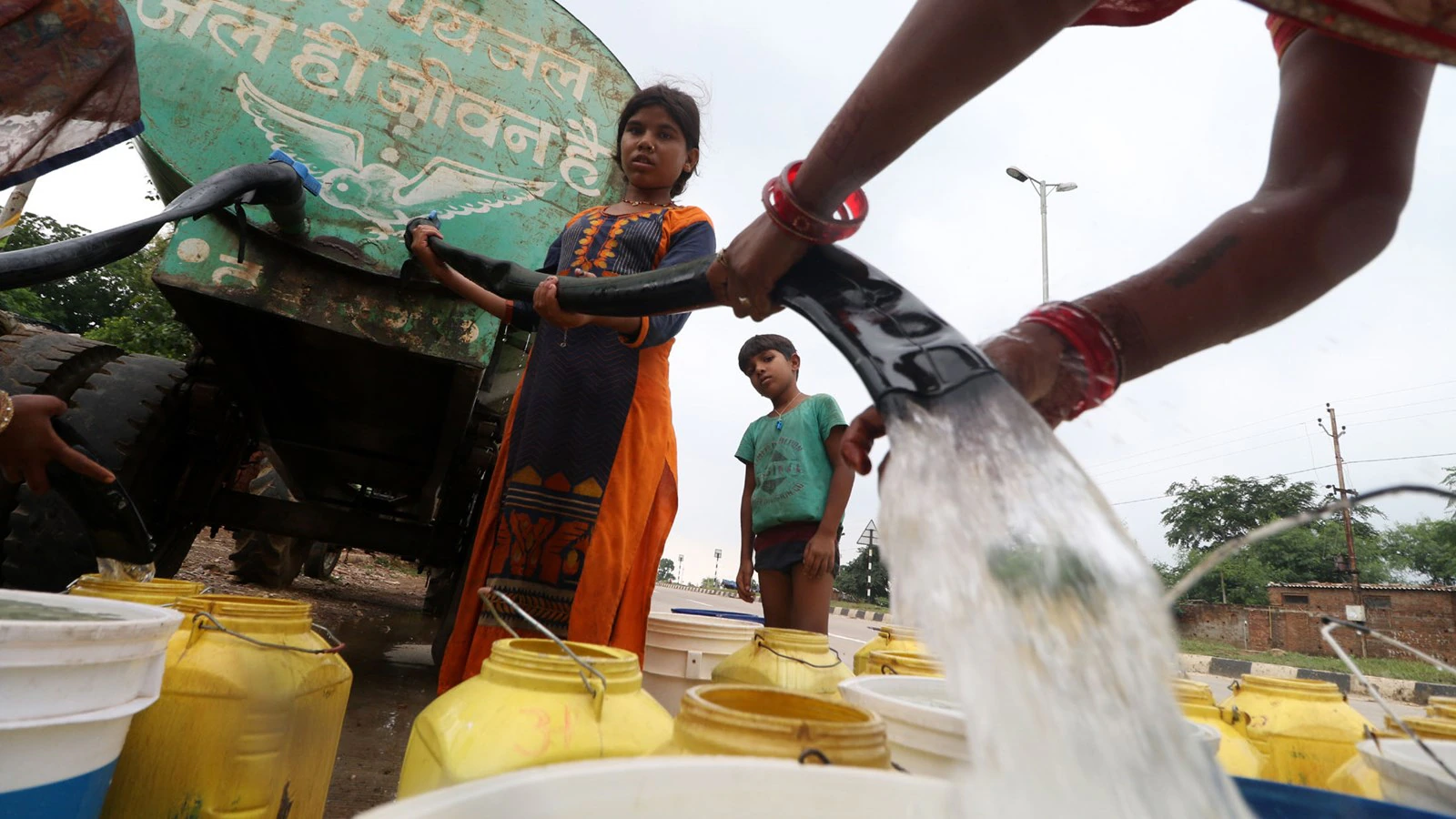
Bengaluru faced a severe water crisis in 2024, leaving thousands of households, apartments, schools, and businesses struggling for basic water access. Large parts of the city experienced drying borewells, critically low groundwater levels, and irregular supply from civic authorities, forcing residents to depend heavily on expensive private water tankers. Rapid urbanization, unchecked construction, encroachment of lakes, and over-extraction of groundwater have significantly weakened the city’s water resilience. Despite being known as the “City of Lakes,” many water bodies have either disappeared or become polluted due to poor planning and weak enforcement of environmental regulations. The crisis exposed serious gaps in long-term urban planning, water resource management, and regulatory oversight. Reports of tanker mafia exploitation, inflated water prices, and lack of transparency further intensified public distress. Vulnerable communities and lower-income households were disproportionately affected, raising concerns about equitable access to essential resources. Experts and citizens have called for urgent reforms, including protection and restoration of lakes, stricter groundwater regulation, rainwater harvesting enforcement, transparent tanker operations, and sustainable urban planning. Without systemic changes, Bengaluru risks facing recurring water emergencies in the future.
🔥 Priority & Public Support
🪧Current Status
This issue is currently marked as pending. Status updates are visible to all citizens for transparency.
📋 Complaint Export
Export becomes available once the issue is verified and reaches high priority through citizen votes.