Environment Issue
📝 Short description
Land Subsidence Crisis in Joshimath Highlights Environmental and Planning Failures
📝 Problem in brief
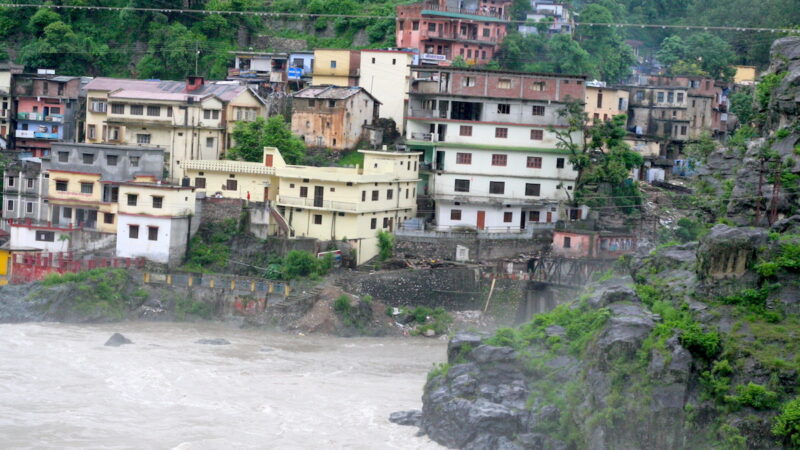
The land subsidence crisis in Joshimath, a Himalayan town in Uttarakhand, forced hundreds of residents to evacuate their homes after widespread cracks appeared in buildings, roads, and public infrastructure. The incident raised alarm over long-term environmental neglect and unregulated development in ecologically sensitive regions. Experts and reports pointed to excessive construction, tunnelling projects, deforestation, and lack of proper geological assessments as major contributing factors. Despite repeated warnings from scientists and local communities, development activities continued without adequate safeguards. The crisis exposed systemic failures in environmental governance, urban planning, and disaster preparedness. Residents faced displacement, loss of property, and uncertainty about rehabilitation, while accountability for regulatory lapses remained unclear. The Joshimath case serves as a warning about the consequences of ignoring ecological limits and emphasizes the need for sustainable development, transparent environmental impact assessments, and stronger protections for vulnerable regions.
🔥 Priority & Public Support
🪧Current Status
This issue is currently marked as pending. Status updates are visible to all citizens for transparency.
📋 Complaint Export
Export becomes available once the issue is verified and reaches high priority through citizen votes.