Healthcare Issue
📝 Short description
Contaminated Drinking Water Crisis and Governance Failure in Indore
📝 Problem in brief
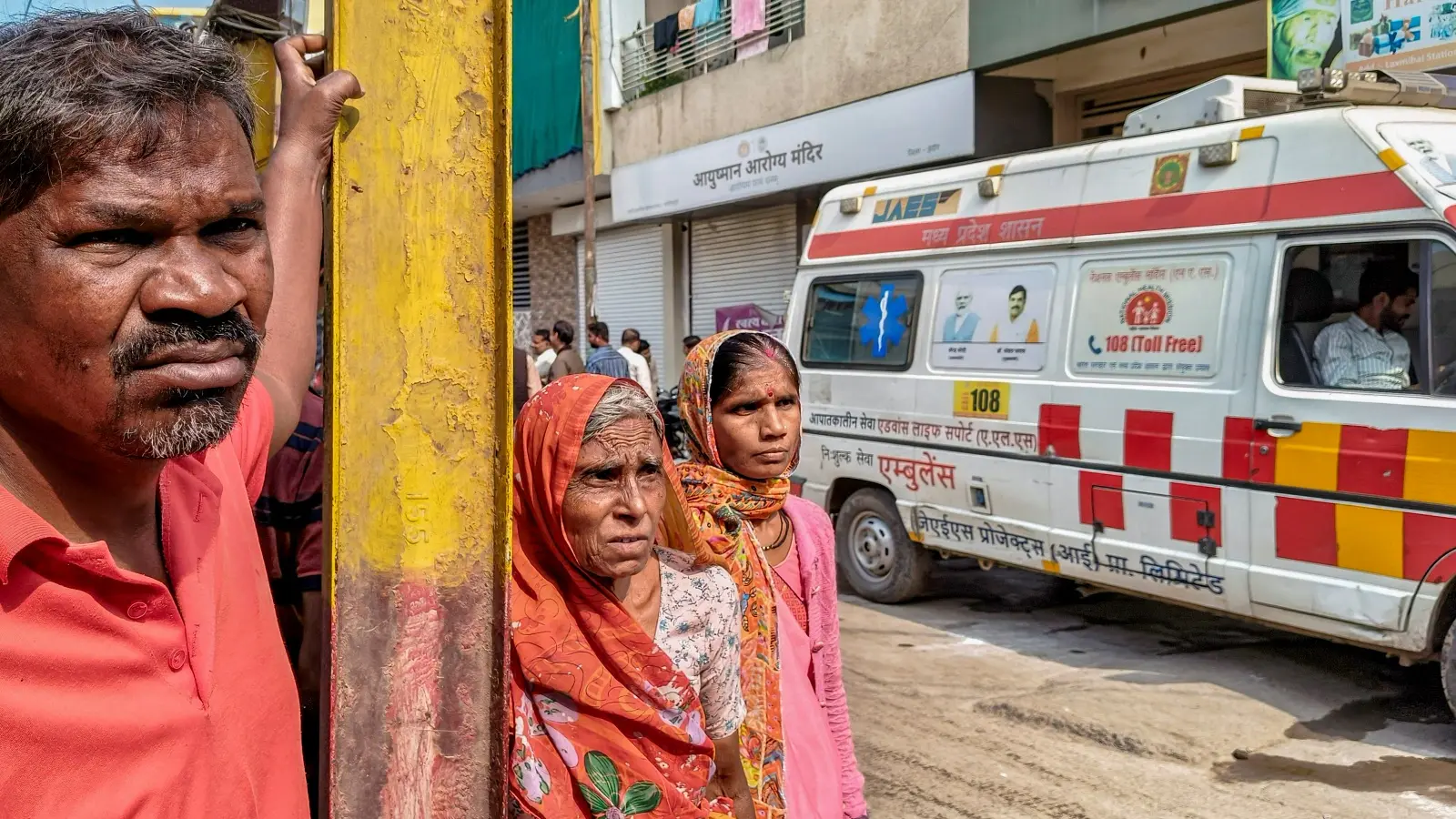
Indore, long celebrated as one of India’s cleanest cities, faced a severe drinking water contamination outbreak in late 2025–early 2026, leading to a significant public health emergency. Sewage seepage into the municipal drinking water supply in the Bhagirathpura area resulted from infrastructure failure involving a public toilet constructed above a main water pipeline. The crisis had serious human and systemic consequences: At least 8 confirmed deaths due to contaminated water (government figures), with local records showing 18 families compensated for related deaths. More than 1,400 people reportedly fell ill, with hundreds hospitalized suffering from acute diarrhoea and waterborne diseases. Indore residents reported foul-smelling tap water for months prior to the outbreak, raising concerns about ignored complaints and delayed responses. The incident exposed critical issues in urban infrastructure, including: Aging water pipelines and poor maintenance Inadequate oversight of sanitation projects Delayed leak repairs and weak contamination monitoring Poor emergency response despite repeated citizen complaints Residents and experts argue that effective urban water governance — including transparent inspection systems, prioritized pipeline replacement, and proactive contamination alerts — is essential to prevent future outbreaks and protect public health.
🔥 Priority & Public Support
🪧Current Status
This issue is currently marked as pending. Status updates are visible to all citizens for transparency.
📋 Complaint Export
Export becomes available once the issue is verified and reaches high priority through citizen votes.